


| Compare |
|---|
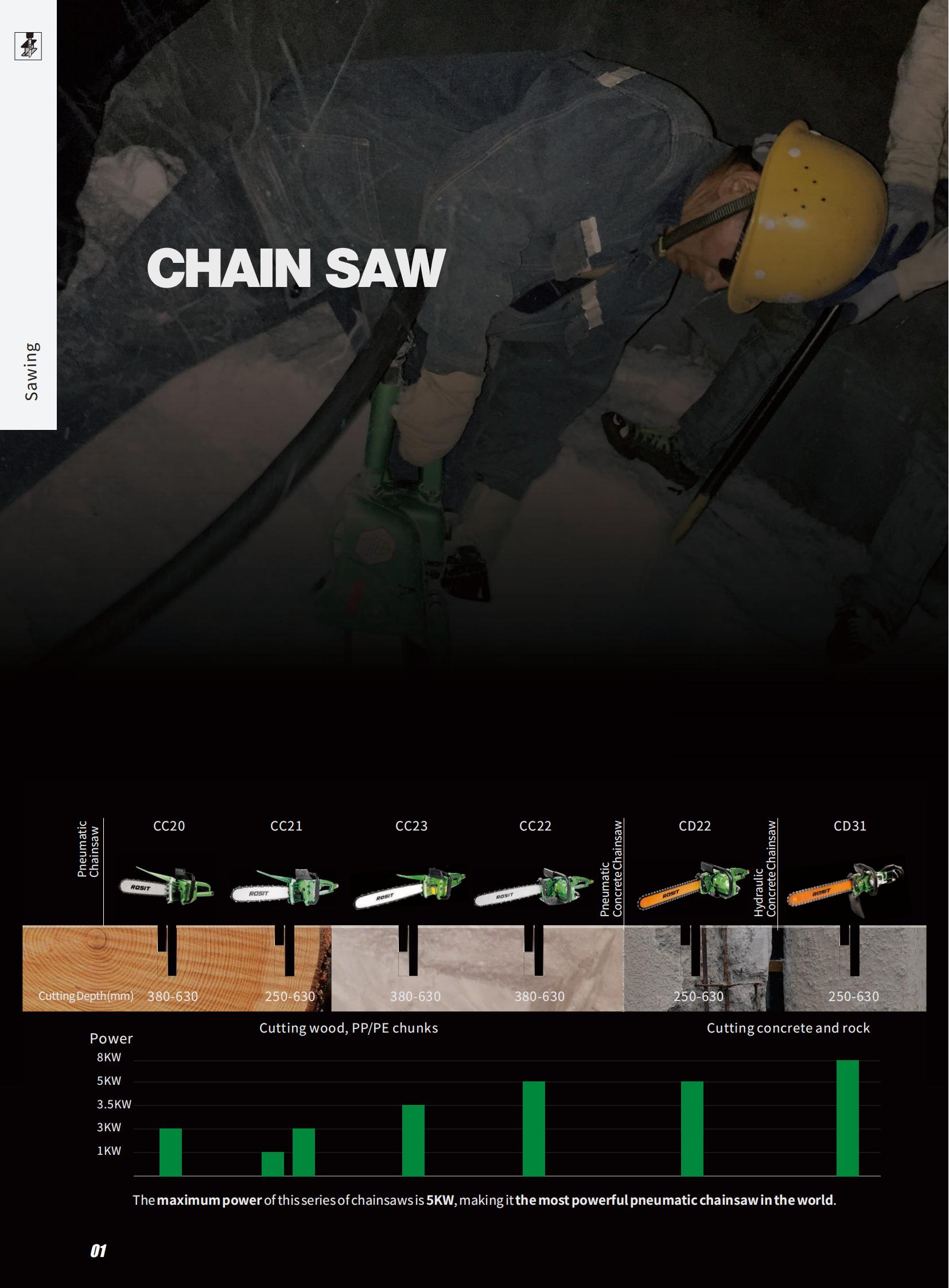
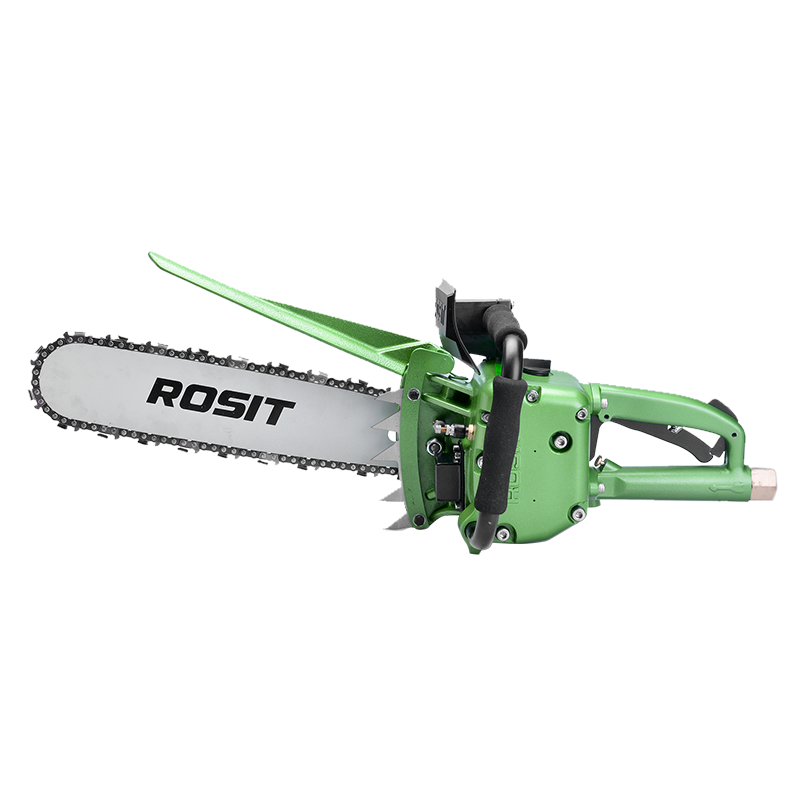
Model | Cutting depth | Power | Working pressure | Air consumption | Motor speed | Air inlet | Hose inlet | Fuel tank | Noise level | Vibration level | Weight | Deluxe kit |
mm | kW | Mpa | m³/min | rpm | mm | mm | L | dB(A) | m²/s | kg | ||
CC20-380 | 380 | 3.0 | 0.4-0.6 | 2.5 | 6500 | 19 | 16 | 0.4 | ﹤100 | ﹤2.5 | 7.5 | CC20-380K |
CC20-430 | 430 | 3.0 | 0.4-0.6 | 2.5 | 6500 | 19 | 16 | 0.4 | ﹤100 | ﹤2.5 | 8.0 | CC20-430K |
CC20-530 | 530 | 3.0 | 0.4-0.6 | 2.5 | 6500 | 19 | 16 | 0.4 | ﹤100 | ﹤2.5 | 8.5 | CC20-530K |
CC20-630 | 630 | 3.0 | 0.4-0.6 | 2.5 | 6500 | 19 | 16 | 0.4 | ﹤100 | ﹤2.5 | 9.0 | CC20-630K |
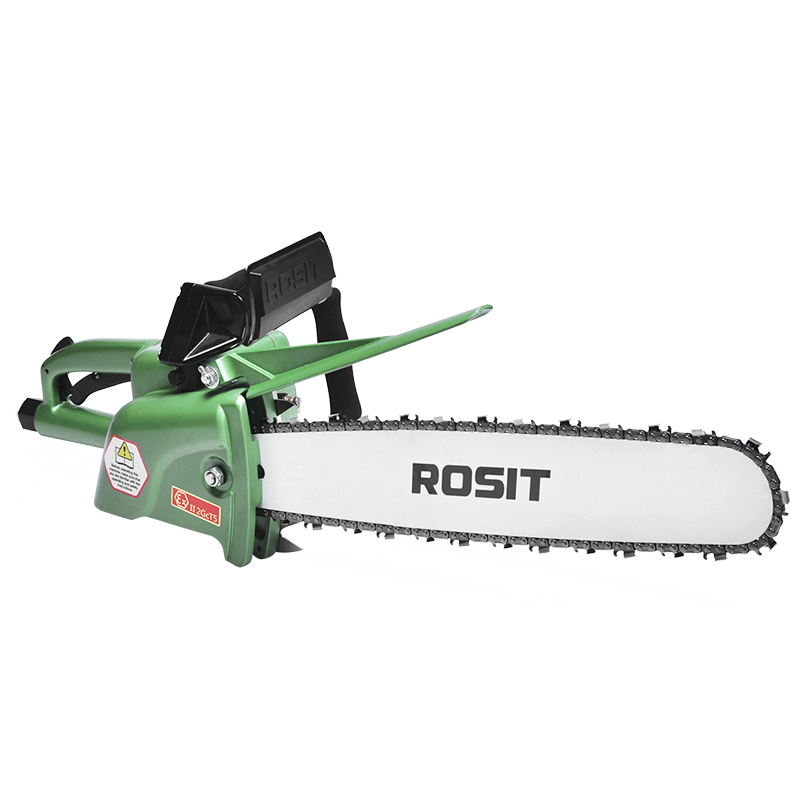
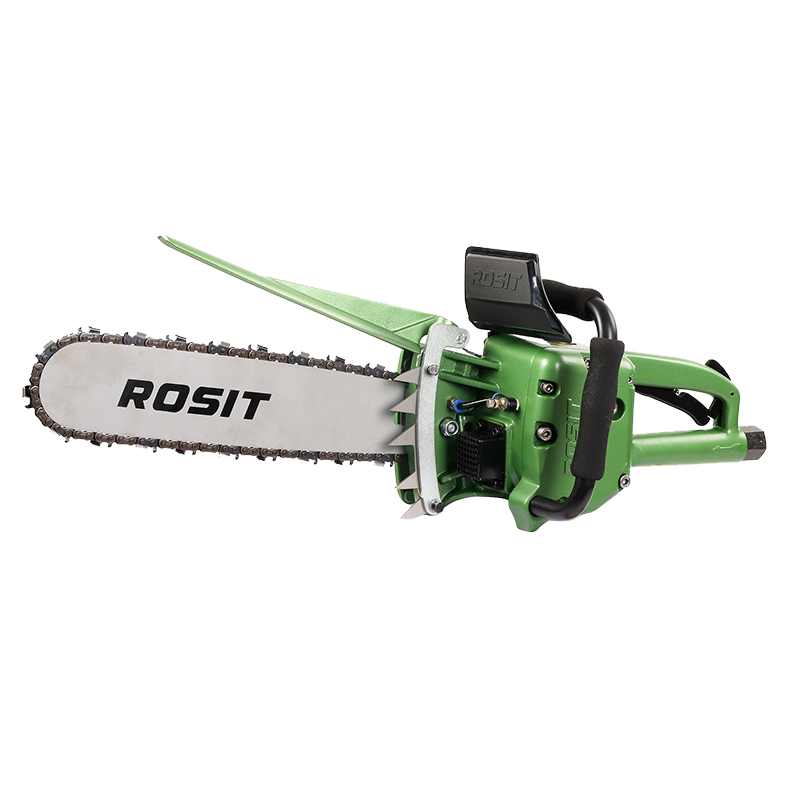
A pneumatic and hydraulic chainsaw is a specialized cutting tool widely used in mining, construction, rescue, and industrial applications.
Unlike traditional gas or electric models, these chainsaws are powered by compressed air or hydraulic systems, offering high torque, durability, and safety in explosive or hazardous environments.
Designed for cutting wood, concrete, metal, and composite materials, pneumatic and hydraulic chainsaws are the preferred choice for underground mining, oil and gas, and emergency rescue teams.
Their reliability, low maintenance, and powerful performance make them essential tools in demanding industries.

Lyonerstr.34 Turm 2
Stock 8 60528
Frankfurt am Main, Germany
 +49 69 6780 8096
 +49 69 6780 8326
 info@rosit.eu


 ATEX Certificates